

Cannabis strain names often refer to a combination of genetic background, aroma descriptions, and characteristics associated with a particular cultivar. Watermelon Zkittlez is one such name that attracts attention among people researching different cannabis varieties. However, understanding a strain involves more than recognizing its name or reading a short product description. Genetic information, growing conditions, cannabinoid content, and product testing all contribute to the information consumers should consider. Knowing how these factors relate to strain identification makes it easier to compare product descriptions without relying on assumptions or marketing claims.
What Is Watermelon Zkittlez?
Watermelon Zkittlez is a cannabis strain name associated with a fruit-inspired naming style. Such names are often used to communicate the intended identity or aromatic profile of a cultivar. However, a name alone does not establish its exact genetic composition or chemical characteristics.
Cannabis varieties can have different phenotypes, meaning plants associated with the same genetic line may display variations in their physical and chemical characteristics. Growing conditions, cultivation practices, and harvesting methods can also influence the final plant material.
This is why consumers should look beyond a strain name when comparing products. Reliable descriptions should provide relevant information about the cultivar, its reported lineage, and available laboratory results.
Why Do Cannabis Strain Names Matter?
Strain names help distinguish different cannabis varieties in product listings and discussions. They provide a familiar reference point for people researching cultivar backgrounds, but naming practices are not always consistent across sellers.
Some names are connected to documented genetic lineages, while others may be used differently by individual producers. Similar names do not necessarily mean that two products have identical genetics or chemical compositions.
For anyone researching the berry zkittlez strain, checking the source of the strain information is particularly useful. Product descriptions should ideally identify the cultivar, provide available genetic details, and distinguish documented characteristics from general descriptions.
Consumers should also remember that strain names are not standardized laboratory measurements. They cannot independently confirm cannabinoid percentages, terpene concentrations, or product quality.
How Do Genetics Influence Strain Characteristics?
Genetics provide the foundation for many characteristics associated with a cannabis cultivar. They influence plant development, physical structure, and the potential range of chemical compounds produced by the plant.
However, genetics do not work independently. Environmental conditions can influence how a plant develops. Factors such as temperature, lighting, nutrients, humidity, and cultivation methods may affect its final characteristics.
The Role of Phenotypes
A phenotype refers to the observable characteristics of a plant resulting from the interaction between its genetic makeup and environment.
Two plants associated with the same cultivar may not look or develop identically. Differences can appear in plant structure, coloration, aroma, and chemical composition.
This variation explains why strain descriptions should not be treated as universal guarantees. A product listing should provide information about the actual material being sold rather than suggesting that every batch will have identical characteristics.
What Role Do Terpenes Play in Cannabis Strains?
Terpenes are naturally occurring aromatic compounds found in many plants, including cannabis. They contribute to the characteristic smells associated with different cultivars.
Some commonly discussed terpenes include:
- Myrcene: Found in various aromatic plants and cannabis varieties.
- Limonene: Associated with citrus-like aromatic notes.
- Caryophyllene: Found in plants such as black pepper and cloves.
- Pinene: Commonly associated with pine-like aromas.
The terpene profile can vary between plants, even when they share a strain name. Cultivation conditions, harvesting, processing, and storage may influence the compounds present in the finished material.
A laboratory report can provide more useful information than a general flavor description because it identifies measured compounds in a particular sample. Consumers should check whether terpene information is actually included in the available testing documentation.
What Should Consumers Check When Comparing Watermelon Zkittlez Products?
Comparing products requires attention to more than the cultivar name. Different product formats may contain different formulations, and their labels should clearly explain what is being offered.
Start by checking the following details:
- Cultivar identification: Does the product description clearly identify the strain?
- Cannabinoid information: Are the reported cannabinoid amounts available?
- Terpene details: Is there documented information about the aromatic compounds?
- Laboratory testing: Is a batch-specific certificate of analysis available?
- Ingredient disclosure: Are additional ingredients or processing materials identified?
- Packaging information: Are batch numbers, manufacturer details, and relevant warnings provided?
A certificate of analysis, commonly called a COA, can help verify the composition of a tested sample. Depending on the laboratory panel, it may also include screening for pesticides, heavy metals, microbial contaminants, and residual solvents.
Testing results should correspond to the actual product batch. A general certificate that cannot be connected to a specific item provides limited information.
How Can Buyers Evaluate FVKD Watermelon Zkittlez Listings?
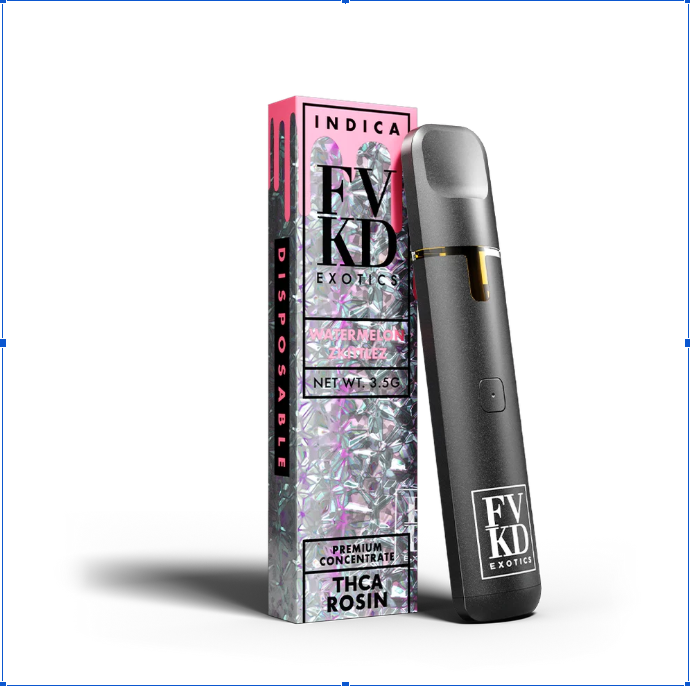
When researching fvkd watermelon zkittlez, consumers should begin with the current product description and available documentation. The product name alone does not confirm the exact cultivar genetics, cannabinoid profile, or terpene composition.
Check whether the listing provides clear ingredient information, product format, batch identification, and relevant testing records. If the product is available in different formats, compare their labels separately rather than assuming that their contents are identical.
It is also important to distinguish between descriptive language and verified product information. Words associated with fruit flavors or particular strain families should not be treated as proof of a specific chemical profile.
If important details are missing, contacting the seller for clarification is more reliable than making assumptions based on photographs or product names.
Why Does Product Transparency Matter?
Transparency helps consumers evaluate whether product descriptions are supported by meaningful information. In the hemp-derived cannabinoid market, this is particularly important because product formulations and applicable regulations can vary.
Clear labeling should identify ingredients, cannabinoid content, batch information, and relevant warnings. Independent laboratory testing can provide additional evidence about the composition of a particular product.
Consumers should also check applicable federal, state, and local regulations before considering age-restricted cannabinoid products. Legal requirements can change, and availability does not automatically establish legality in every location.
Age Disclaimer: This article is intended only for adults aged 21 and older. Individuals under 21 should not purchase, possess, or use age-restricted cannabis or hemp-derived cannabinoid products. Age restrictions and other requirements vary by jurisdiction. Always verify current laws before making any purchasing or possession decisions.
Final Thoughts
Watermelon Zkittlez illustrates why cannabis strain research should involve more than names and product descriptions. Genetic background, phenotype variation, terpene information, and laboratory testing all contribute to a clearer picture of a particular product. Consumers should prioritize accurate labeling and independently verifiable information when comparing different varieties. FVKD Exotics is a brand that can be researched alongside these considerations, but product decisions should always be based on current documentation, transparent ingredient information, and applicable regulations.